
Permits & Advise
Take a minute to read about some of our recent cases.
Or book immediately an appointment. The first 30 min. of advise is free.
Book an appointment.
Het navigeren door vergunningen, regelgeving en technische documentatie kan overweldigend zijn. Ons team biedt volledige architectonische ondersteuning — van advies inzake ruimtelijke ordening tot de coördinatie van EPB-, stabiliteits- en vergunningsdossiers. Wij maken complexe processen beheersbaar en efficiënt.
Maak een afspraak om te ontdekken op welke manier wij u kunnen ondersteunen. Het eerste gesprek van 30 minuten is kosteloos. Nadien rekenen wij €30 per 30 minuten advies.
—-
Navigating permits, regulations, and technical documentation can be challenging. Our team offers comprehensive architectural support — from spatial planning advice to the coordination of EPB, structural, and permit documentation. We ensure that complex processes become manageable and efficient.
Schedule an appointment to explore how we can assist you. The first 30-minute consultation is free of charge. Afterwards, we apply a fee of 30 per 30 minutes of advice.
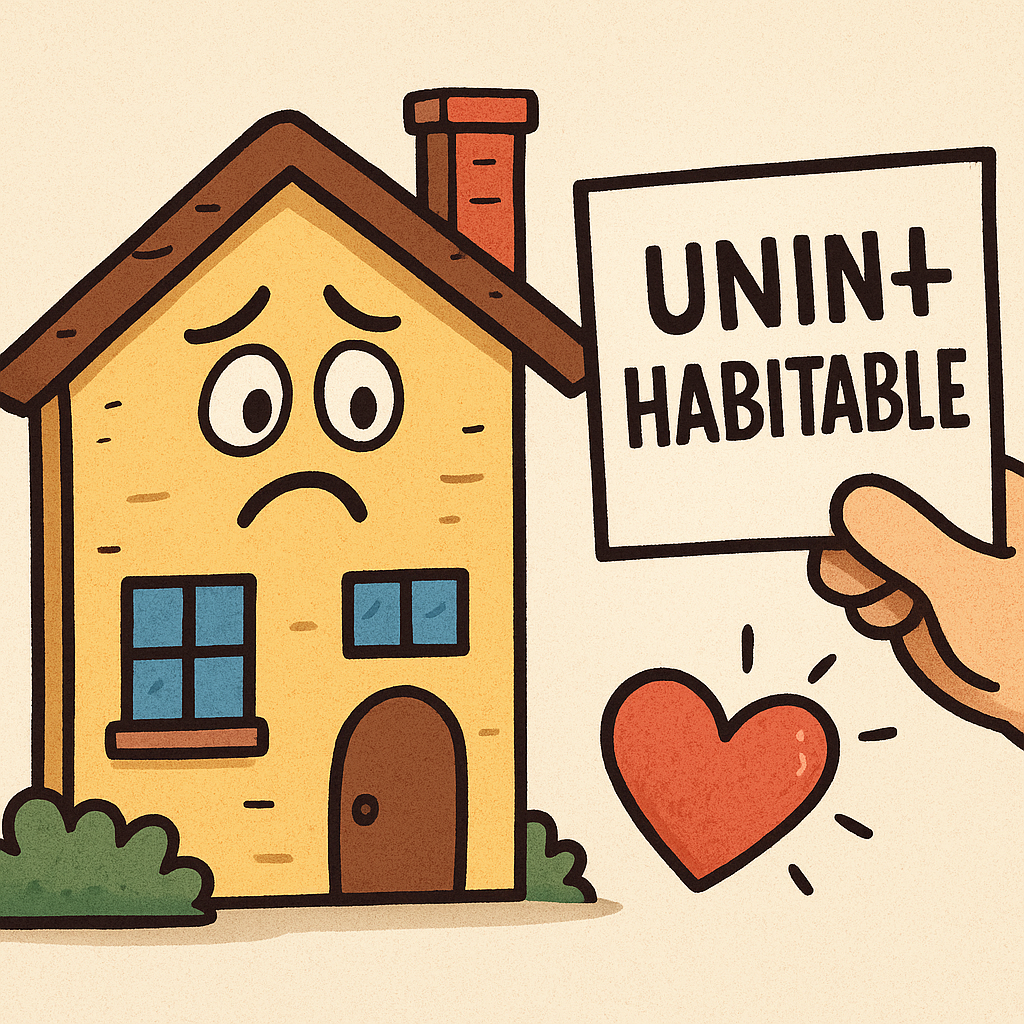
Gebouw onbewoonbaar/ Building uninhabitable
Recent kwamen we in contact met een woning die beland was op de lijst voor onbewoonbare gebouwen. De woning werd aangekocht in de staat waarin deze zich bevond, en werd zo gedurende een tiental jaar verhuurd, tot nu dus. Door toevallige controle van de huisvestingsmaatschappij, werd bepaald dat de woning niet voldeed aan de huidige normen voor woning verhuur.
De woning werd echter in deze staat aangekocht en ter goeder trouw verhuurd. Enkele van de meest belangrijke criteria om onbewoonbaar verklaard te worden, waren plafondhoogte, oppervlakte van verhuurde appartementen, hoeveelheid lichtinval binnen de woning, en een afgekeurde elektriciteitsinstallatie.
Enkele van deze zaken zijn snel op te lossen, andere vragen grote ingrepen die vaak een hoge kost met zich meebrengen voor de eigenaar. Hoe kan het dat deze woning zolang werd verhuurd zonder problemen?
Wel, de woning werd ter goeder trouw aangekocht, in de veronderstelling dat de opdeling in appartementen vergund was. Na controle door de huisvestingsmaatschappij, bleek echter dat enerzijds de woning niet voldeed aan de normering, en anderzijds de appartementen niet officieel verdeeld werden.
Hoe lossen we dit op?
Wanneer een woning in België ongeschikt of onbewoonbaar wordt verklaard, betekent dit dat de woning niet langer verhuurd mag worden totdat de nodige herstellingen zijn uitgevoerd. Dit gebeurt wanneer de woning niet voldoet aan de kwaliteitsnormen die vastgelegd zijn in de Vlaamse Codex Wonen van 2021 (of in Brussel en Wallonië via hun eigen woondecreten en -ordonnanties).
Oorzaken
Een woning kan ongeschikt of onbewoonbaar verklaard worden omwille van:
Ernstige veiligheidsrisico’s (bv. instortingsgevaar, slechte elektriciteit, brandgevaar).
Gebrek aan basiscomfort (bv. geen verwarming, gebrekkige sanitaire voorzieningen).
Structurele gebreken zoals vochtproblemen, slechte ventilatie of schimmel.
Wat te doen?
Kennisgeving ontvangen – De gemeente of wooninspectie brengt de eigenaar op de hoogte van de beslissing.
Herstellingen uitvoeren – De verhuurder moet de gebreken aanpakken en de woning terug conform maken aan de minimale kwaliteitsnormen.
Hernieuwde controle aanvragen – Na de werken kan de eigenaar een nieuwe woningonderzoek aanvragen.
Verhuurstop respecteren – Tot de woning opnieuw geschikt wordt verklaard, mag deze wettelijk niet verhuurd worden. Overtreding kan leiden tot boetes of zelfs gerechtelijke vervolging.
In dit geval betrof het een gebouw met bouwovertredingen. Deze dienden eerst geregulariseerd te worden alvorens de officiële indeling in woonunits kon doorgaan.
Vervolgens werd bekeken welke ingrepen konden genomen worden om de woning opnieuw bewoonbaar te verklaren. Dit alles gebeurde in nauw overleg met de gemeente en huisvestingsmaatschappij. Zij willen ook zo snel mogelijk deze woning van deze lijst afhalen. Het is dus noodzakelijk hen met volledige transparantie te betrekken om dit proces zo vlot mogelijk te laten verlopen.
Relevante wetgeving
Vlaamse Codex Wonen van 2021 – bepaalt de minimumnormen voor veiligheid, gezondheid en kwaliteit van woningen in Vlaanderen.
Ordonnantie Huisvesting (Brussels Hoofdstedelijk Gewest).
Code Wallon du Logement et de l’Habitat Durable (Wallonië).
English
Recently, we came across a house that had ended up on the list of uninhabitable buildings. The property was purchased in the condition it was in, and had been rented out like that for about ten years, until now. After a random inspection by the housing authority, it was determined that the house did not meet the current standards for rental housing.
However, the house was bought in this condition and rented out in good faith. Some of the most important criteria for being declared uninhabitable were ceiling height, the surface of the rented apartments, the amount of natural light inside, and a rejected electrical installation.
Some of these issues can be solved quickly, while others require major works that often bring high costs for the owner. How is it possible that this house was rented out for so long without any problems?
Well, the property was purchased in good faith, with the assumption that the division into apartments was officially approved. After the inspection by the housing authority, however, it appeared that on the one hand the property did not meet the required standards, and on the other hand the apartments had never been officially divided.
How do we solve this?
When a property in Belgium is declared unfit or uninhabitable, it means that the dwelling can no longer be rented out until the required repairs are completed. This decision is based on the housing quality standards set out in the Flemish Housing Codex of 2021 (or, in Brussels and Wallonia, through their respective housing decrees and ordinances).
Causes
A dwelling can be declared uninhabitable due to:
Serious safety risks (e.g. risk of collapse, faulty electricity, fire hazards).
Lack of basic facilities (e.g. no heating, insufficient sanitary equipment).
Structural problems such as damp, poor ventilation, or mold.
What to do?
Notification – The municipality or housing inspection informs the owner of the decision.
Carry out repairs – The landlord must address the defects and bring the property back in line with the minimum quality standards.
Request re-inspection – After repairs, the owner can request a new housing inspection.
Respect the rental ban – Until the property is declared fit again, renting it out is strictly prohibited. Violations may result in fines or legal action.
In this case, it concerned a building with building violations. These first had to be regularized before the official division into housing units could take place.
Afterwards, it was examined which measures could be taken to declare the dwelling habitable again. All of this was done in close consultation with the municipality and the housing company. They also want to remove this building from the list as quickly as possible. Therefore, it is necessary to involve them with full transparency in order to make this process run as smoothly as possible.
Relevant legislation
Flemish Housing Codex 2021 – establishes minimum standards for safety, health, and quality of housing in Flanders.
Brussels Housing Ordinance (Brussels-Capital Region).
Walloon Housing Code (Wallonia).